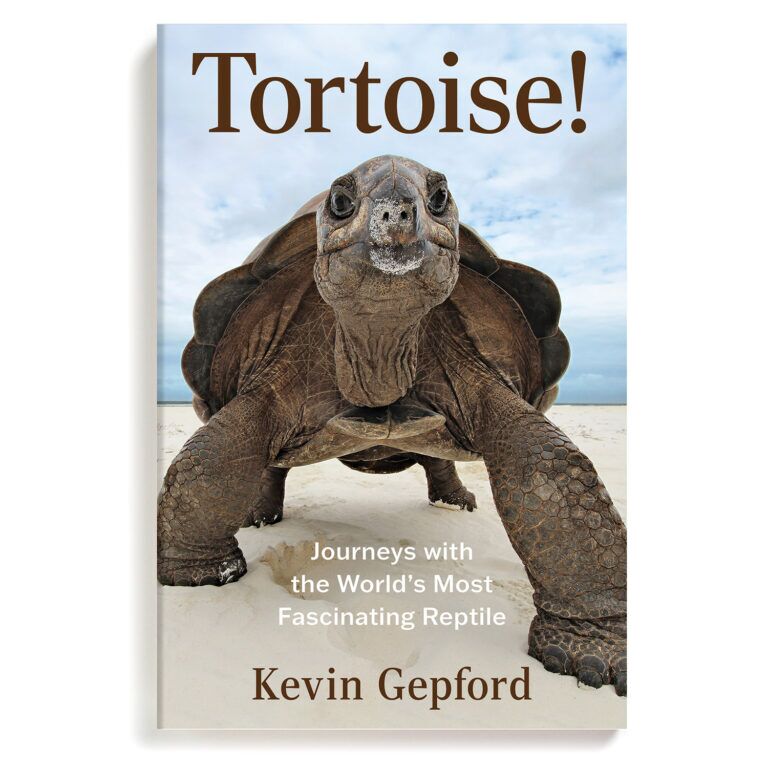
Tortoise Book Cover
Four years in the making… and now it looks like a book. I’m proud to announce the cover of Tortoise! Journeys with the World’s Most Fascinating Reptile.

Written by: Kevin Gepford
Published on:

Four years in the making… and now it looks like a book. I’m proud to announce the cover of Tortoise! Journeys with the World’s Most Fascinating Reptile.
Written by: Kevin Gepford
Published on:
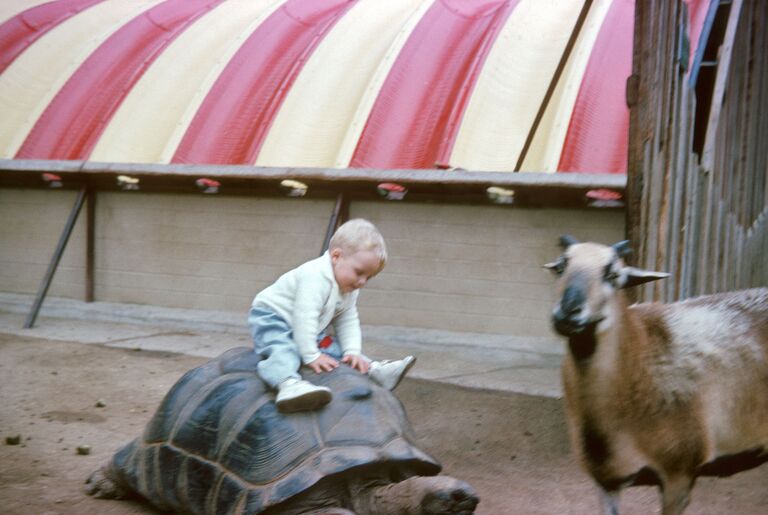
The story begins in the 1950s in Southern California, when my grandparents arrived from Oklahoma with their three children to start a new life amidst the orange groves of the San Bernardino valley.
Written by: Kevin Gepford
Published on:
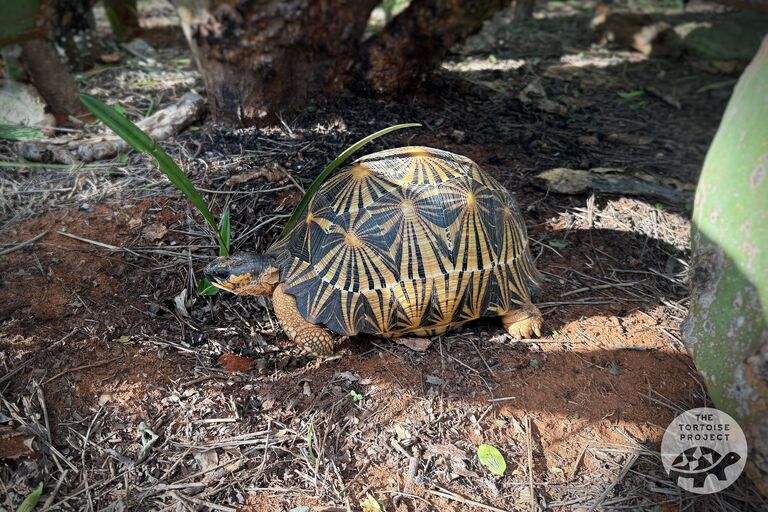
I joined the Turtle Survival Alliance to track Radiated tortoises in the wilds of the spiny forest — a punishing three-week overland journey across southern Madagascar.
Written by: Kevin Gepford
Published on:
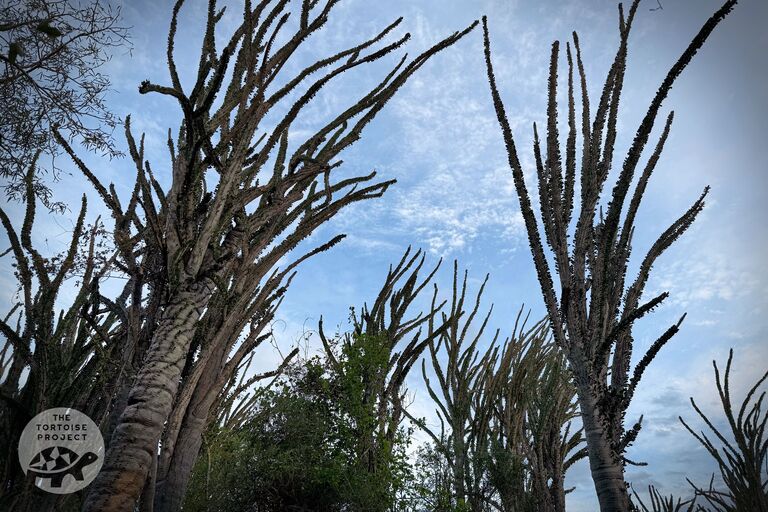
The spiny forest, in Madagascar’s south, is known for its plants that have found a way to thrive by growing defenses: thorns, prickles, thick skin. But in March/April 2025, the waters were drying up, and I focused my lens on the ethereal flowers and new leaves that appeared to make the most of their brief season.
Written by: Kevin Gepford
Published on:
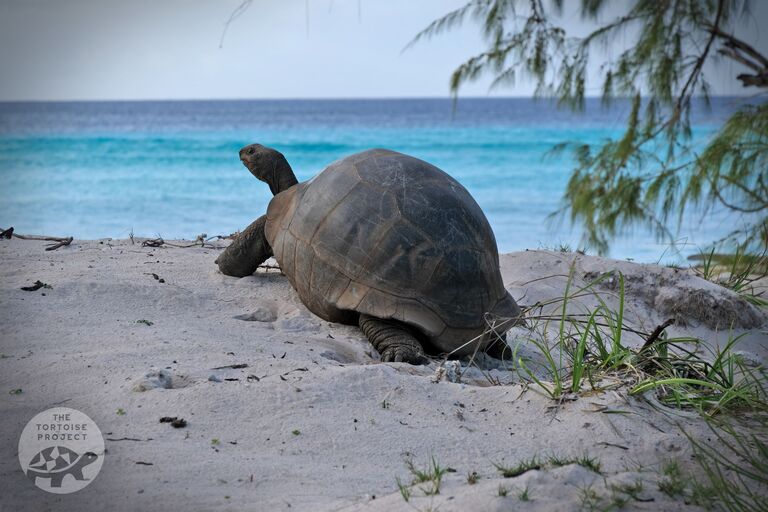
My tortoise travels took me on an extraordinary monthlong adventure on Aldabra atoll, one of the most remote and ecologically intact places on Earth. It’s home to the last surviving species of giant tortoises in the western Indian Ocean.
Written by: Kevin Gepford
Published on:
I’m thrilled to share that WW Norton is picking up my narrative nonfiction book on tortoises. It’s an exciting turning point this project that I’ve been working on for more than two years.
Written by: Kevin Gepford
Published on:
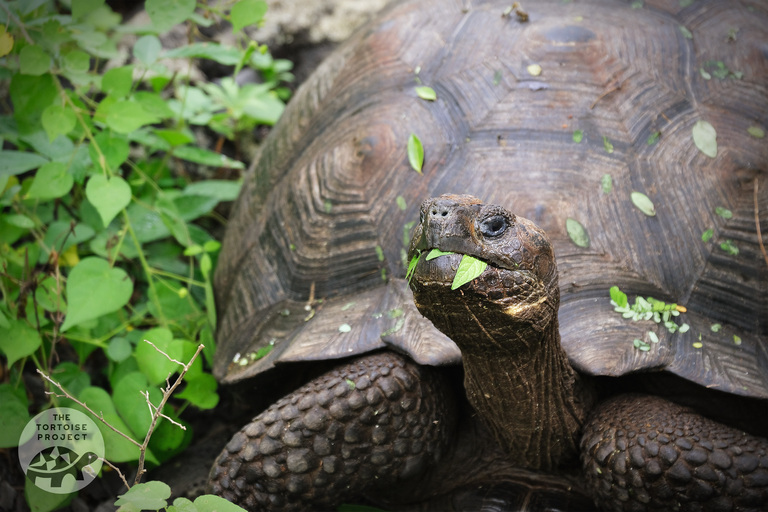
Galápagos tortoises may make annual treks of 10-15 km seeking food, water, and nesting grounds. In March I spent three weeks on Santa Cruz island with biologist Patrick Moldowan to learn more.
Written by: Kevin Gepford
Published on:
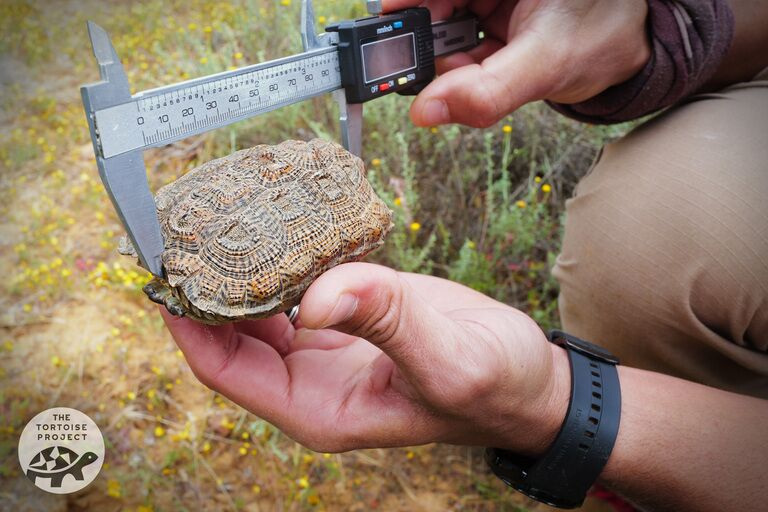
Springtime on the untouched veld of the Northern Cape, in South Africa, yields wild outbursts of flower power. The landscape harbors a wealth of bulbs — more than 1,350 species, including 80 endemics — that don’t, and can’t, grow anywhere else.
Written by: Kevin Gepford
Published on:
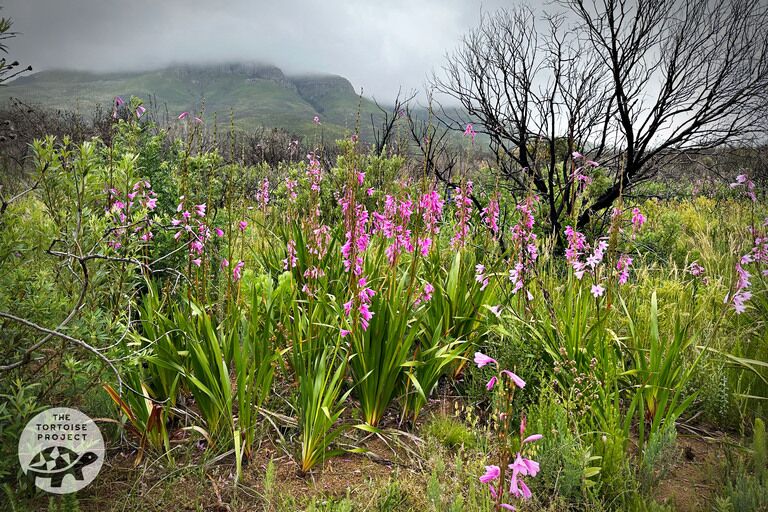
Four months after the fire, the blackened fynbos was regenerating in the way it has for millennia. I was genuinely surprised to see so many flowers in bloom, especially considering this was a good six weeks after it normally would begin drying out for summer.
Written by: Kevin Gepford
Published on:
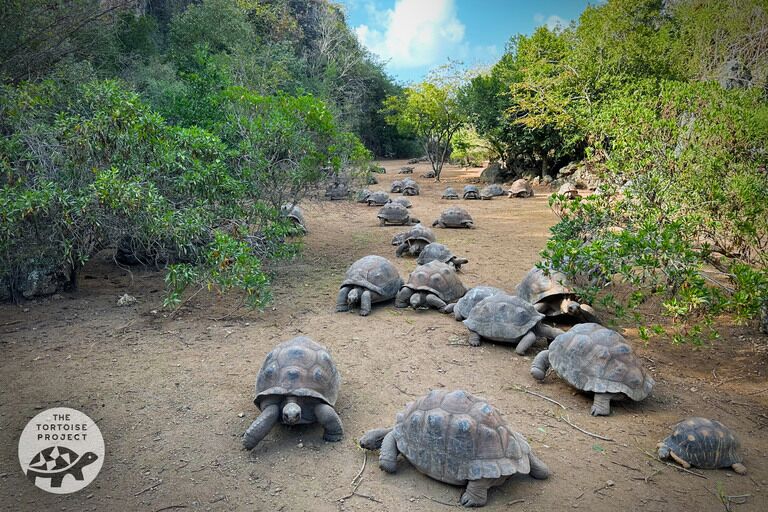
François Leguat Reserve is built on the concept of rewilding with giant tortoises, to serve their natural ecological functions and help do their part in restoring a portion of the island’s coastal ecosystem. More than 3,000 tortoises live on the 20-hectare reserve — replacement species for the original tortoises that went extinct.
Written by: Kevin Gepford
Published on:
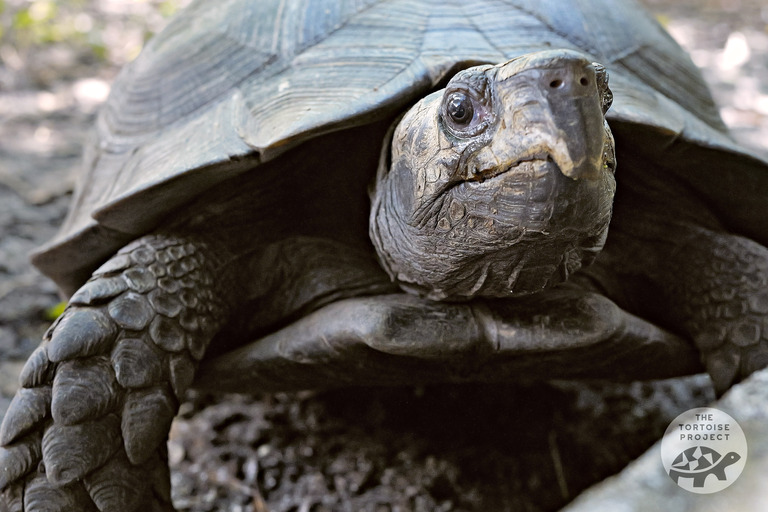
The 10-year-old Turtle Survival Center in the pinewoods of South Carolina’s coastal plain is ground zero for the TSA’s long-term management and captive breeding program in North America.
Written by: Kevin Gepford
Published on:
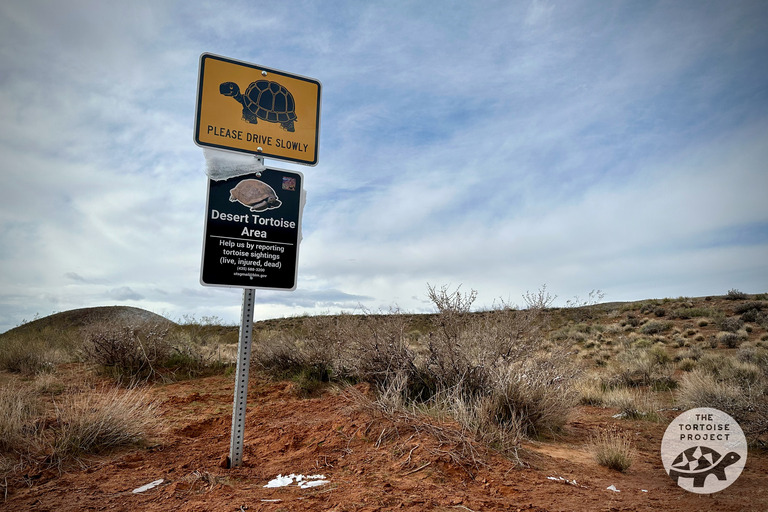
It’s February in St. George, Utah, snow is on the mountains, and I’m hiking in tortoise country with about 40 other tortoise nerds. We’re here for the Desert Tortoise Council symposium, and early arrivers like me are rewarded with a field trip.
Written by: Kevin Gepford
Published on:
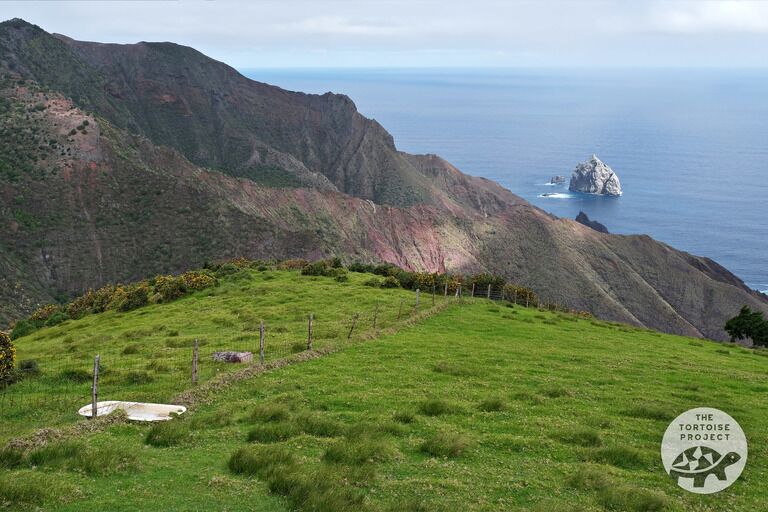
Scenes from the island of Saint Helena — a speck in the South Atlantic Ocean with 4,000 inhabitants but most well known for Napoleon and Jonathan the tortoise.
Written by: Kevin Gepford
Published on:
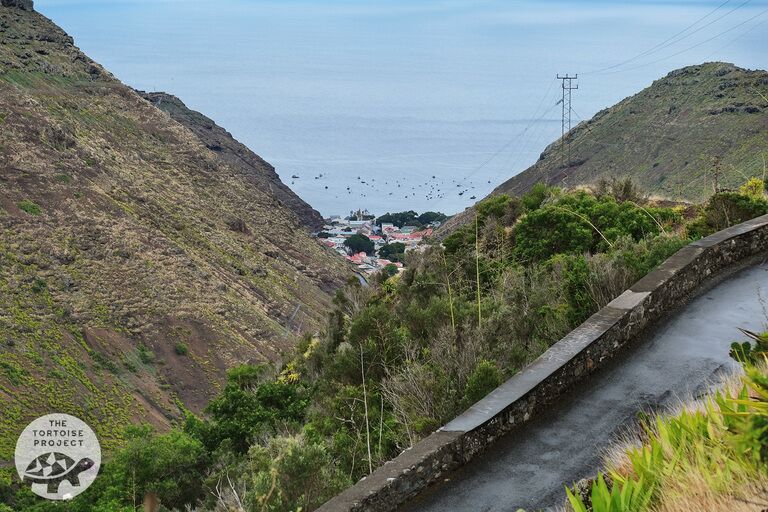
The world’s most well-known living tortoise, Jonathan, is also one of the world’s most remote — living on a volcanic island a thousand miles off the coast of Africa.
Written by: Kevin Gepford
Published on:
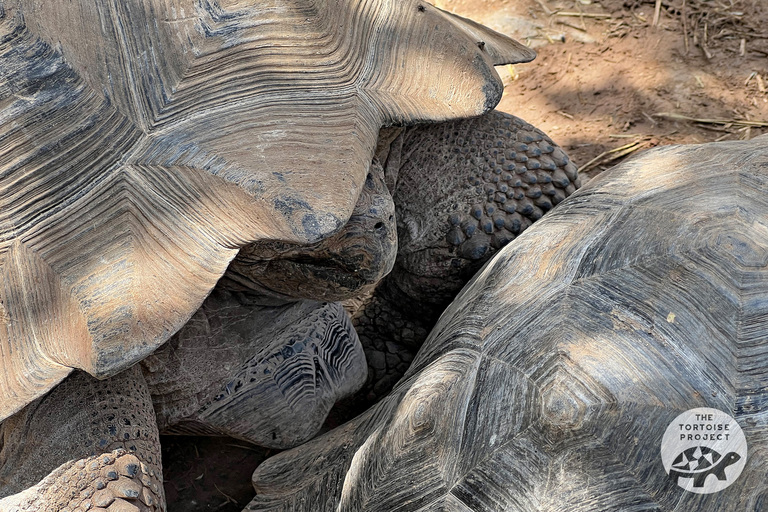
The Turtle Conservancy is one of those places that just seems beyond anything that should reasonably be expected to exist.
Written by: Kevin Gepford
Published on:
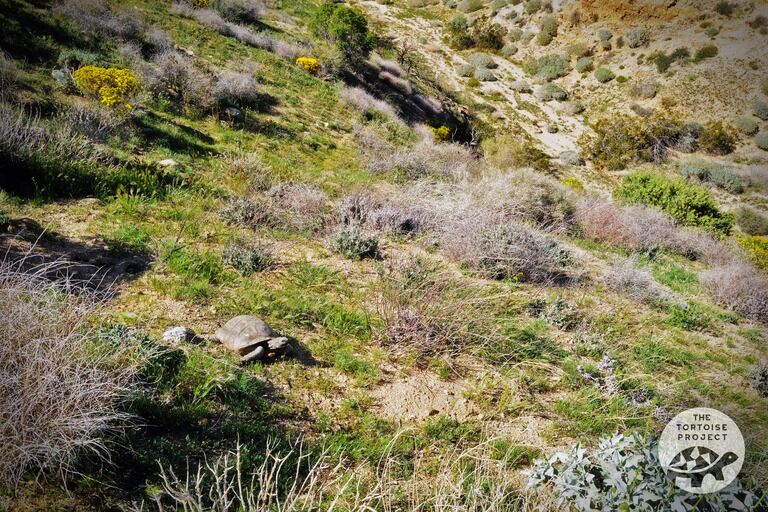
A tortoise count is happening in the Coachella Valley— and I’m tagging along.
Written by: Kevin Gepford
Published on:
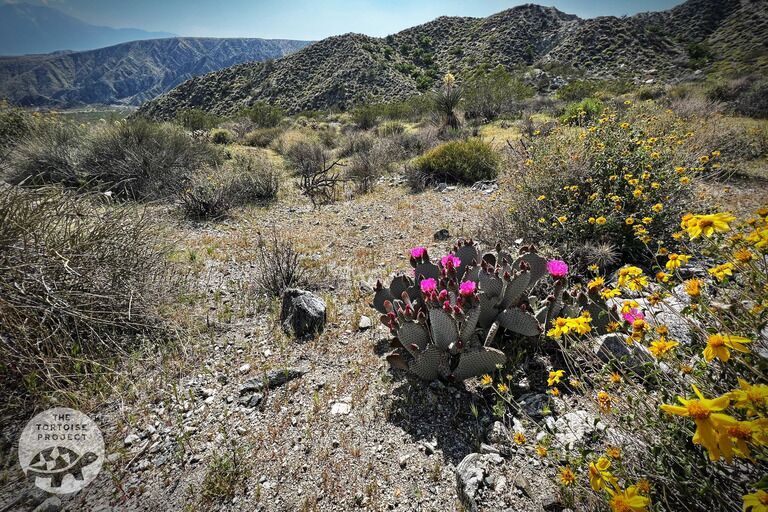
The spring of 2022 was a dry one, and in the middle of an extended drought. But life still prevails. Seeds must be produced. These little flowers gave it everything they had to complete their lifecycle before another summer set in.
Written by: Kevin Gepford
Published on:
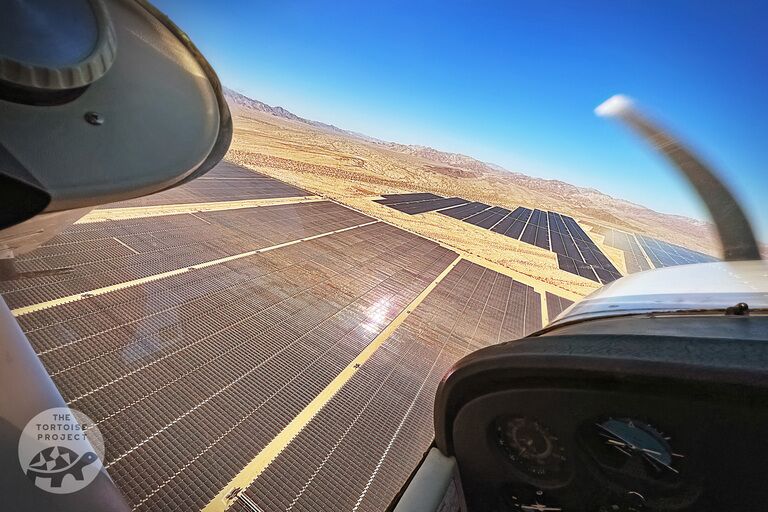
Desert Sunlight Solar Project was one of the first significant installations in the Mojave. I decided to get a fresh perspective on it, from the air.
Written by: Kevin Gepford
Published on:
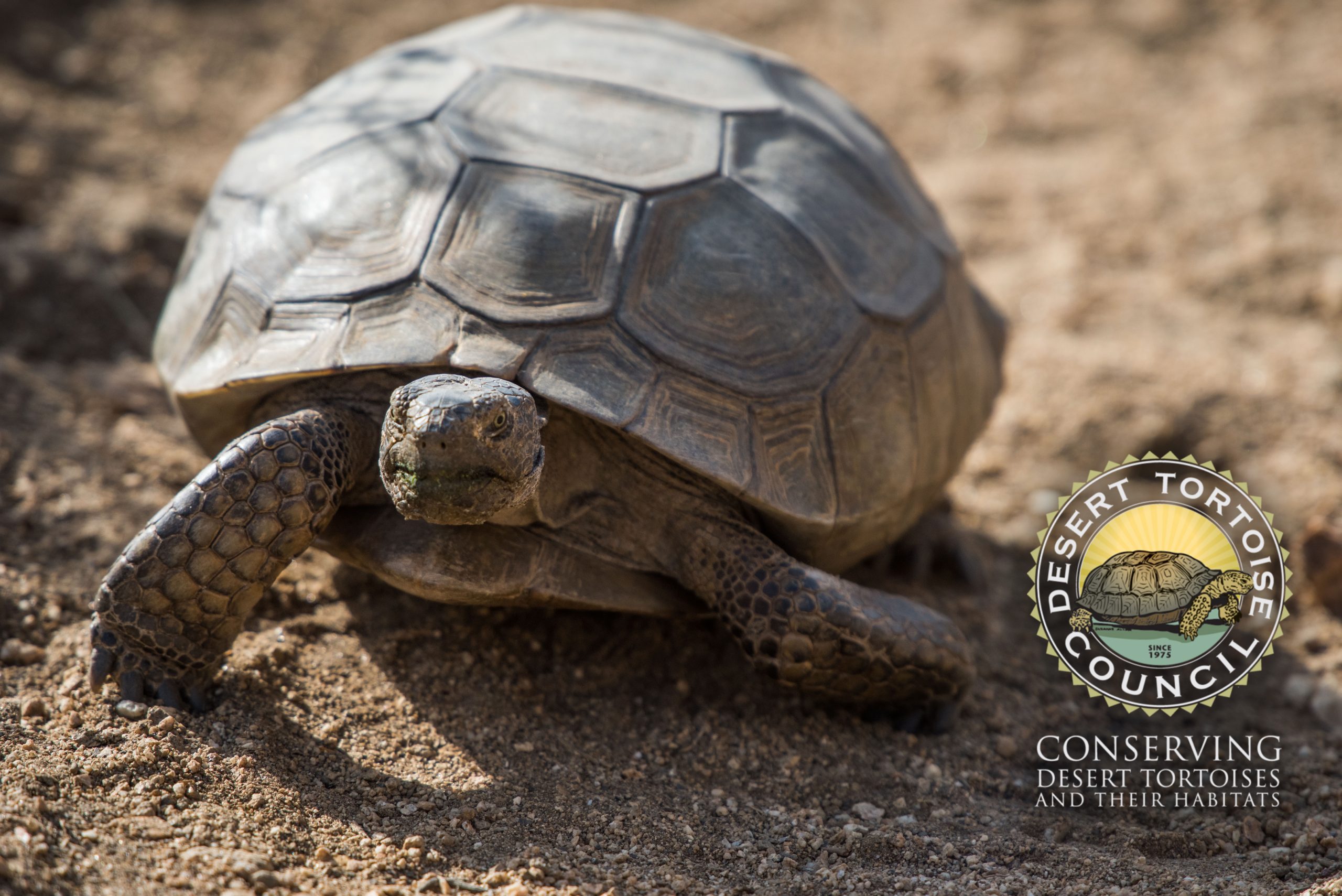
There’s an entire industry set up to manage tortoise populations. At the center of the action is the Desert Tortoise Council, a brain trust of biologists, ecologists, and conservationists who have been training people for 30 years to help protect these tortoises.
Written by: Kevin Gepford
Published on:
“When did you realize you that this was something that you were meant to write?” a friend asked. “Was there one thing that flipped the switch for you?”
Written by: Kevin Gepford
Published on: