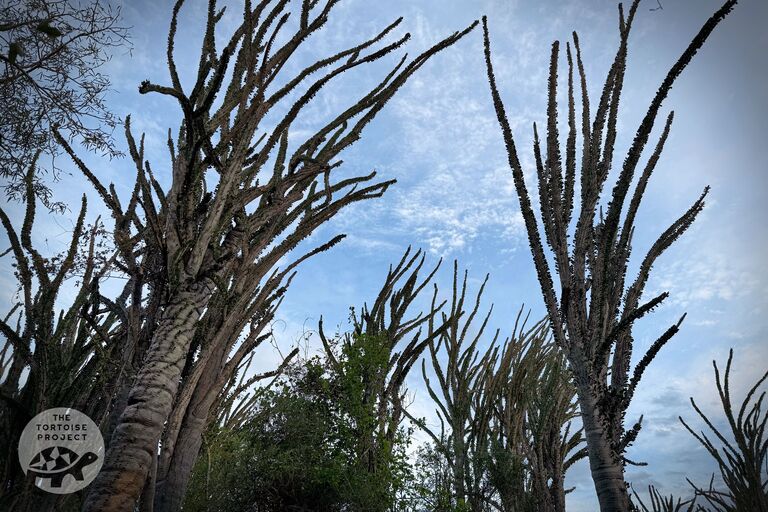
Octopus tree

Madagascar Flora – Gallery

The spiny forest, in Madagascar’s south, is known for its plants that have found a way to thrive by growing defenses: thorns, prickles, thick skin. But in March/April 2025, the waters were drying up, and I focused my lens on the ethereal flowers and new leaves that appeared to make the most of their brief season.

Field Notes, Natural History

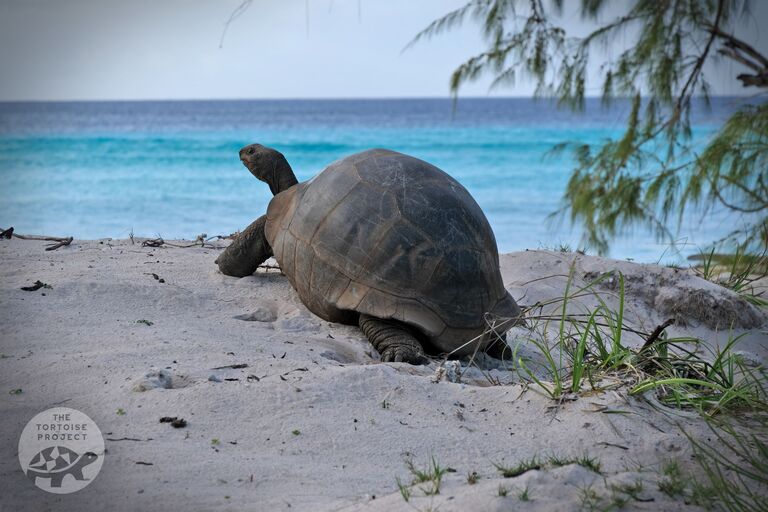
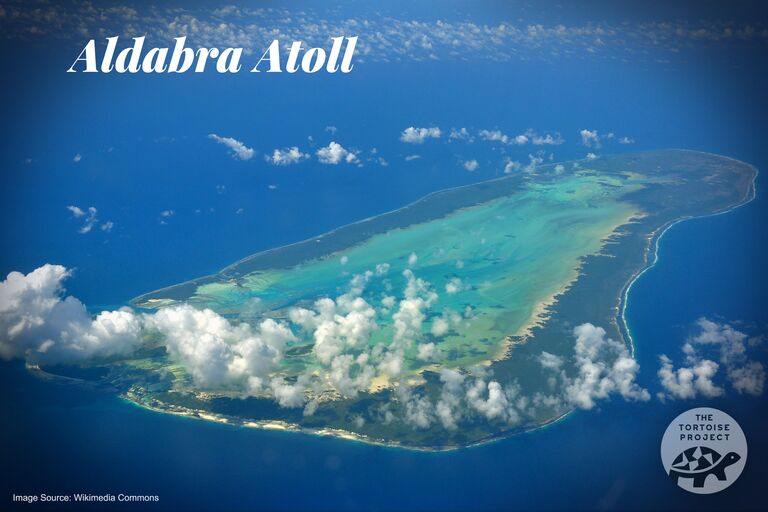
The Tortoises of Aldabra

My tortoise travels took me on an extraordinary monthlong adventure on Aldabra atoll, one of the most remote and ecologically intact places on Earth. It’s home to the last surviving species of giant tortoises in the western Indian Ocean.

Field Notes, Natural History

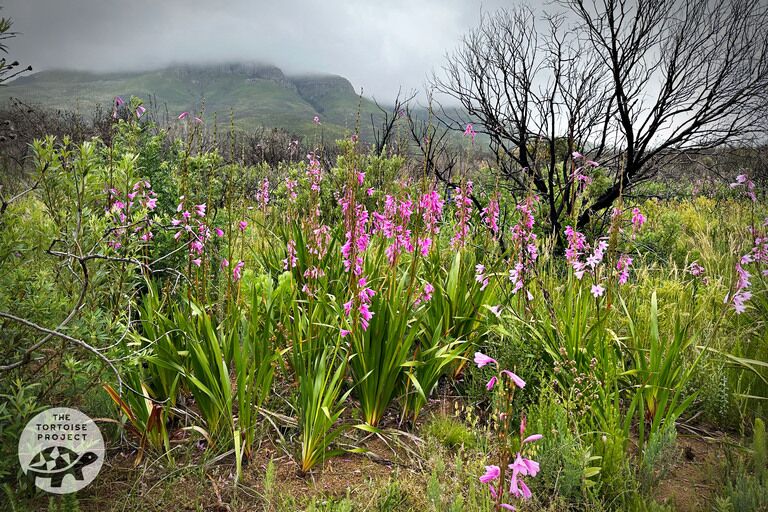
Helderberg Nature Reserve

Four months after the fire, the blackened fynbos was regenerating in the way it has for millennia. I was genuinely surprised to see so many flowers in bloom, especially considering this was a good six weeks after it normally would begin drying out for summer.

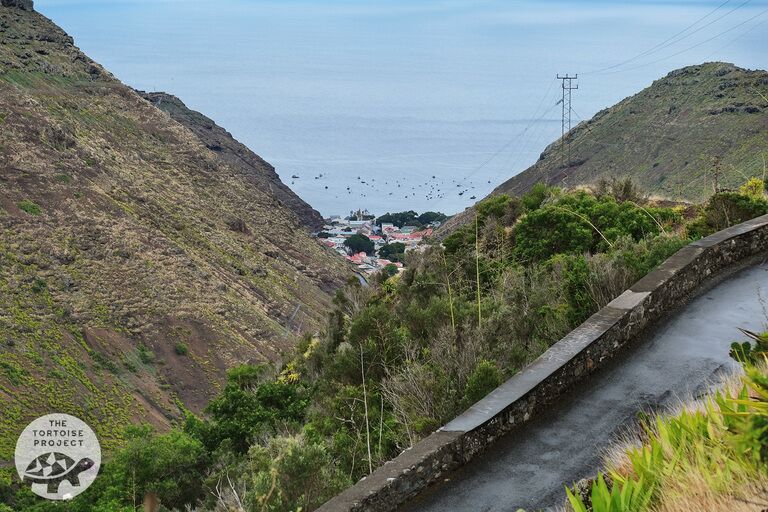
Jamestown, Saint Helena

Field Notes, Natural History

On the Island of Saint Helena

The world’s most well-known living tortoise, Jonathan, is also one of the world’s most remote — living on a volcanic island a thousand miles off the coast of Africa.

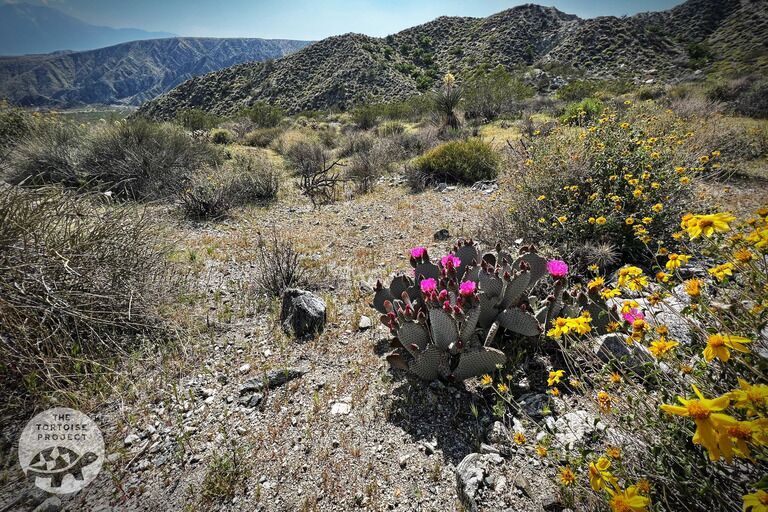
Devil's Garden, Coachella Valley, Calif.

Field Notes, Natural History

Desert Springtime – Gallery

The spring of 2022 was a dry one, and in the middle of an extended drought. But life still prevails. Seeds must be produced. These little flowers gave it everything they had to complete their lifecycle before another summer set in.

Conservation, Natural History

Aldabra, Island Untouchable

Aldabra atoll is many things: It’s the second largest atoll in the world, a UNESCO World Heritage Site, and home to many endemic plants and animals including more than 100,000 giant tortoises. Two biologists share their experiences.

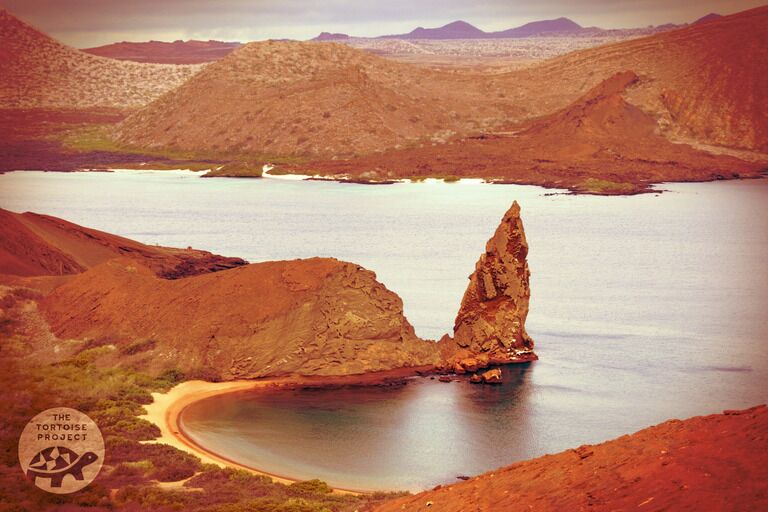
Pinnacle Rock, Bartolomé Island

Natural History, Writing & Books

Melville in the Galapagos

“What other bodily being possesses such a citadel wherein to resist the assaults of Time?” That’s Herman Melville talking about tortoises. In 10 vignettes he paints a portrait of the Galapagos Islands, and the tortoise is a recurring character.

Conservation, Natural History

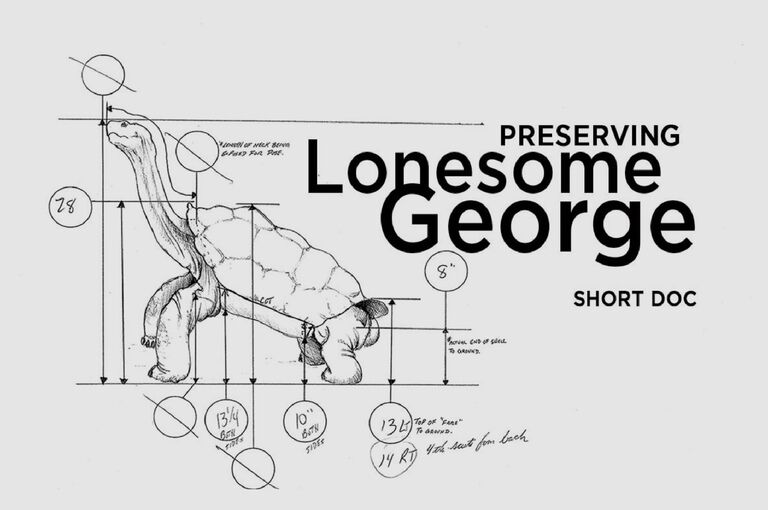
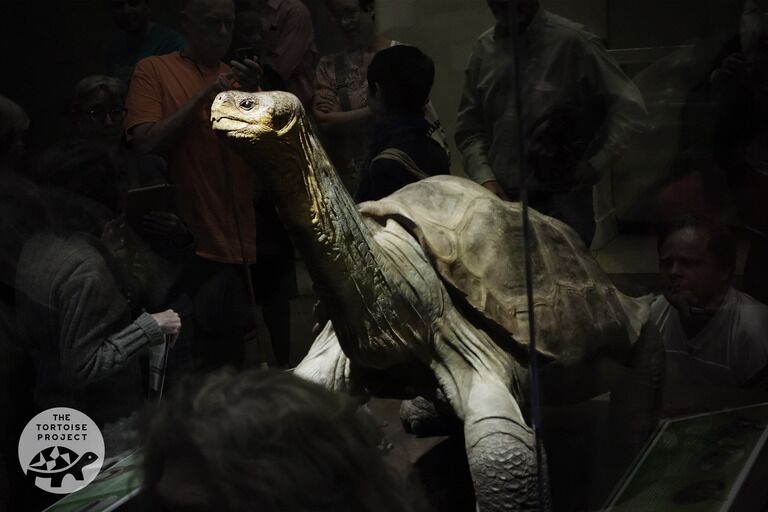
Preserving Lonesome George

When you set foot in the Hall of African Mammals at the American Museum of Natural History for the first time, it’s startling to see the elephant’s foot… at eye level.

Natural History

Hermes & Mud at the AMNH

If you believe that the American Museum of Natural History’s interest in animals begins with fossils and ends with taxidermy, prepare to be surprised!